Inventory Management
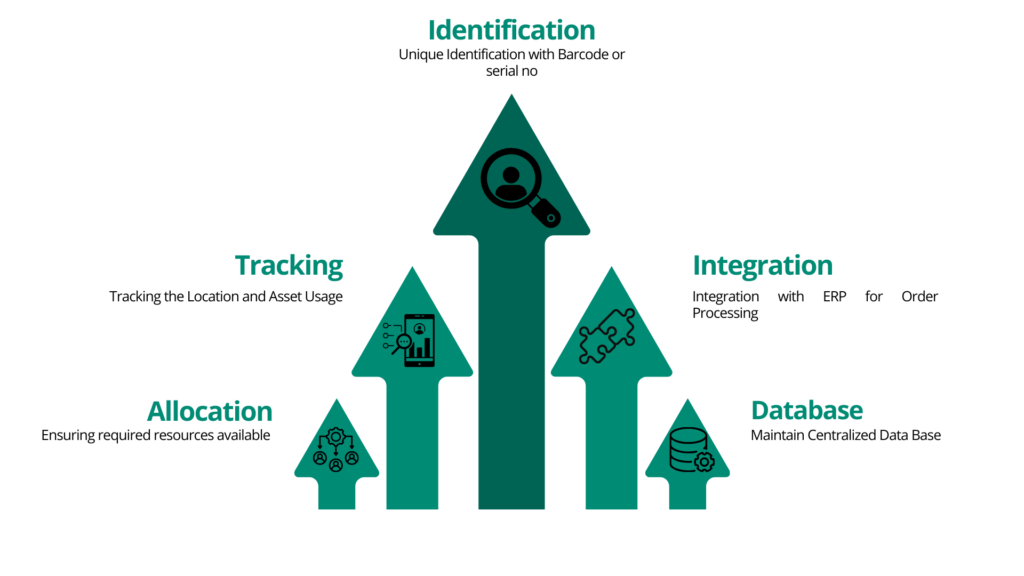
- Inventory management in asset management refers to the processes and strategies used to effectively track, control, and optimize the inventory of assets within an organization
- Assets need to be properly identified and classified to facilitate inventory management each asset should have a unique identifier, such as a serial number or barcode, to track its movement and status
- inventory management requires real-time tracking and visibility of assets this can be achieved using technologies such as barcode labels, RFID tags, or GPS tracking asset tracking systems allow organizations to monitor asset locations, availability, usage, and status, ensuring that assets can be easily located and accessed when needed
- Track part consumption with work orders
- Assign a minimum and maximum quantity to every part and get alarm when the threshold value is reached this will help in reduction of downtime and optimize inventory costs


- Easy to use purchasing system with vendors and service providers
- ERP integration ensures purchase orders initiation to the vendors
- Associate unique bar-code for each types of asset
- Plant teams shall easily gather information about the asset and populate work-orders with the scan of bar codes in the field
- Access inventory counts from everywhere along with warranty details
- Inventory control involves implementing measures to ensure accurate and up-to-date inventory records
- Inventory management includes determining optimal stock levels and replenishment strategies this involves forecasting demand, considering lead times, setting reorder points and order quantities, and establishing relationships with suppliers
- Inventory management should consider the different stages of an asset’s lifecycle, from acquisition to disposal
- It involves tracking assets as they move through various lifecycle phases, such as procurement, deployment, maintenance, repairs, and retirement proper asset lifecycle management ensures assets are utilized efficiently and retired or replaced when necessary
- Effective inventory management requires maintaining accurate records and documentation related to assets and inventory transactions this includes purchase orders, receipts, asset transfer records, maintenance logs, and disposal records
- Inventory management involves analyzing inventory data to identify trends, patterns, and areas for improvement